Calm Mahjong Tile Match Puzzle
Calm & Relaxing GamesBoard
4.845.00 Reviews
- Version
- 3.8
- Installs
- 50.00K
- Age Rating
- Everyone
Screenshots
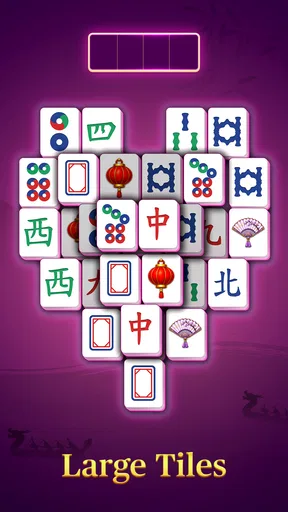
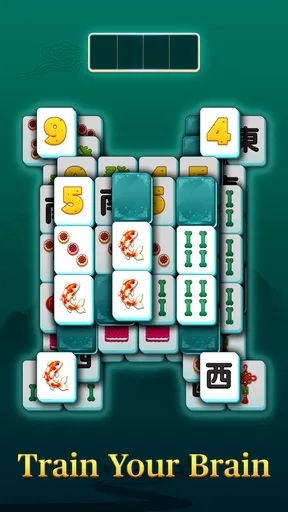
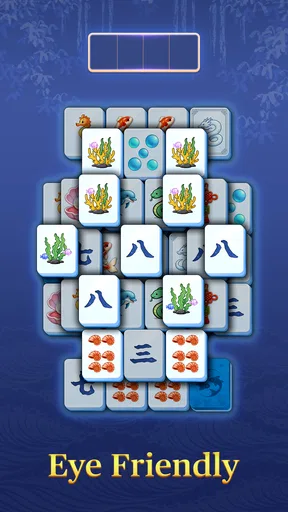

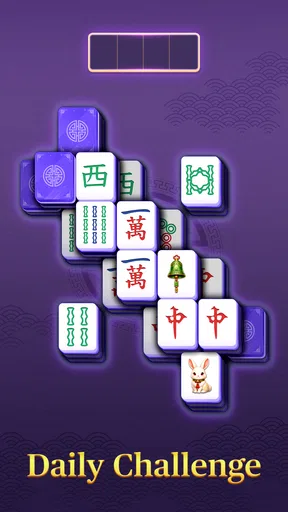
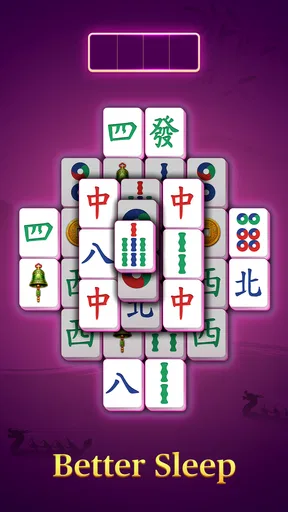
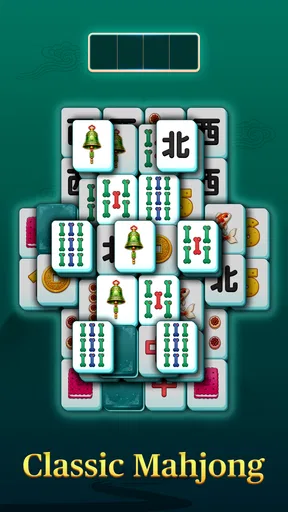
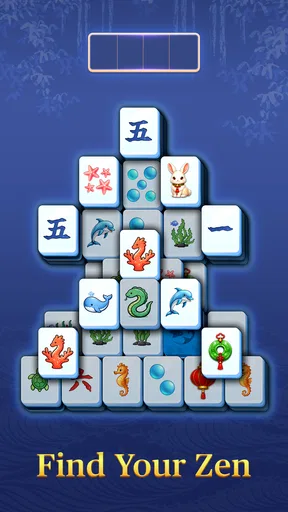
Our Review of Calm Mahjong Tile Match Puzzle
 Analysis by Appyee
I spent time with Calm Mahjong Tile Match Puzzle as a quiet board game rather than a competitive challenge, and that distinction matters. Its appeal is simple: match tiles, keep your attention on the board, and use a short session to slow down. The game comes from Calm & Relaxing Games, carries an average rating of 4.8 from around 4K ratings, and has passed 50K installs. Those figures suggest that its gentle approach is connecting with the audience it targets.
This is a free game for everyone, with optional in-app purchases ranging from $0.99 to $24.99 per item. I see that pricing structure as an invitation to try the core experience without paying first, not as a reason to assume the full experience is cost-free. The important question is whether the basic tile matching remains enjoyable enough on its own. In my experience, it does, especially when I treat it as a short mental break instead of expecting the depth of a traditional strategy board game.
How the tile-matching experience works in everyday use
The central activity is familiar Mahjong-style matching. I look across the arrangement, identify available pairs, and remove them while trying not to block useful choices. That creates a pleasant balance between recognition and planning. The early moves feel effortless, but a careless match can leave an awkward layout later, so the game still gives my attention something to do.
What makes this particular version useful is its calm positioning. I do not open it expecting a dramatic campaign, a story, or a fast multiplayer contest. I open it when I want a board that asks for concentration without demanding a large time commitment. That makes it a natural fit for a quiet morning, a short break between tasks, or the final few minutes before bed.
A realistic everyday use is a waiting-room session. Instead of switching between several noisy apps, I can play a board, pause mentally, and put the phone away when my appointment is called. The matching format works well here because I can focus immediately without learning a complicated ruleset. It also suits people who prefer an activity with a clear beginning and end rather than an endless scrolling feed.
The board creates small decisions that are easy to underestimate. I often want to remove the most obvious pair first, but checking the surrounding tiles can reveal a better order. That habit is one of the more satisfying parts of the game: the experience stays relaxing while still rewarding a little patience. It is not deep strategy, but it is more engaging than simply tapping whatever is highlighted.
Why the relaxing design has practical value
Many puzzle games use countdowns, lives, streaks, or competitive rankings to keep players returning. That approach can be motivating, but it can also turn a break into another obligation. Calm Mahjong Tile Match Puzzle works better for me when I want less pressure. Its board-based format lets me settle into a single task without feeling that I am falling behind other players.
That does not mean every session feels equally absorbing. If I am looking for a demanding logic challenge, a traditional chess app, a serious Sudoku collection, or a more complex Mahjong solitaire title may offer more depth. This game is strongest in the middle ground: more active than passive relaxation, but lighter than a full strategy workout.
A useful personal routine is to use one board as a stopping point rather than playing indefinitely. I begin with a specific intention, such as taking a five-minute reset, and stop after the current puzzle or a natural pause. This keeps the calming quality intact. Without that boundary, even a peaceful game can become another way to spend longer on a screen than planned.
The “train your brain” idea should also be understood sensibly. Matching tiles exercises visual attention, short-term planning, and pattern recognition while I am playing. It is enjoyable mental activity, but I would not treat it as a substitute for structured learning or a proven cognitive program. The value is in the focused break, not in making exaggerated promises about what the game can do.
Free access and what the purchase range means
The free entry point is the clearest financial strength. I can decide whether the board style suits me before spending anything, which is especially useful for casual players who may only play occasionally. A free game also makes sense for someone who wants a low-commitment distraction rather than a title they expect to use every day.
Optional purchases cost from $0.99 to $24.99 per item. I would approach that range carefully because the value depends on what a player wants from the game and how often they return to it. A person who only needs a relaxing puzzle now and then may find the free access sufficient. Someone who plays regularly may consider a purchase worthwhile, but should judge it by the specific convenience or content it provides rather than by the size of the price alone.
I appreciate that the purchase decision can be separated from the initial download. It lets me evaluate the feel of the tile layouts, the pace of play, and my own willingness to return before committing money. That is a better value test than assuming a high rating automatically makes every optional item worthwhile.
My advice is to play several sessions before buying anything. Notice whether you are enjoying the actual matching decisions or merely tapping through the first few boards because the activity is new. If the game becomes part of your regular wind-down routine, an optional purchase may feel reasonable. If you open it once a week, free access is likely the more sensible choice.
Small decisions that improve the experience
My first practical tip is to scan the whole board before making the opening move. The easiest pair is not always the best pair, particularly when removing it exposes or hides other options. A few seconds of observation makes the puzzle feel more deliberate and reduces the frustration of reaching a dead-looking arrangement.
My second tip is to use the game as a single-task break. I get more from it when notifications are not competing for attention. Even a short uninterrupted session makes the matching feel more meditative, while playing alongside messages turns it into ordinary multitasking.
Third, I would avoid judging the game by speed. There is no benefit in treating every board like a race. Slower scanning helps me notice alternatives and better matches the relaxing purpose. Players who naturally rush through casual puzzles may need to change their approach before the calmer side of the design becomes apparent.
Finally, I would keep expectations aligned with the category. This is a board puzzle built around tile matching, not a broad collection of different games. Its strength is repetition with light variation in decision-making. If repeating a familiar format sounds comforting, that is a positive. If you need constant novelty, the same simplicity may become limiting.
Where the game fits among familiar alternatives
Compared with classic Mahjong solitaire apps, this version is most attractive to players who want the activity framed as relaxation first. A more traditional alternative may appeal more to someone who wants extensive layouts, detailed rule variations, or a stronger sense of mastery. I would choose this game when atmosphere and ease matter more than a large feature set.
Compared with Sudoku, the mental task is different. Sudoku asks me to maintain numerical relationships and reason through constraints, while tile matching relies more on visual scanning, pair recognition, and move order. I reach for this game when I want something immediately readable. I choose Sudoku when I want a slower, more demanding logic problem.
Compared with match-three games, the board here feels less frantic. Match-three titles often encourage chains, effects, goals, and rapid reactions. This Mahjong format gives me more time to inspect the arrangement and think about consequences. That makes it a better fit for decompression, although players who enjoy constant rewards and energetic animation may find it restrained.
Compared with a physical Mahjong set, the phone version is convenient and private. I do not need a table, other players, or a large collection of tiles. The trade-off is that it does not provide the social interaction or tactile feel of playing around a real table. I see it as a portable solo interpretation, not a replacement for the social game.
Who will get the most value from it
I would recommend this game to people who like quiet puzzles, visual matching, and short sessions. It is particularly suitable for someone who wants an uncomplicated board activity after work, during travel, or while taking a break from more demanding tasks. The Everyone age rating also makes its presentation broadly accessible, though individual preferences about screen time and puzzle difficulty still matter.
It should also suit players who dislike competitive pressure. There is a certain comfort in opening a puzzle that does not require a social commitment or a large block of free time. For a casual player, the free starting point removes much of the risk: you can discover whether the style fits before considering any optional spending.
I would be less enthusiastic for someone seeking a long-term strategic hobby. If your ideal board game involves layered rules, evolving tactics, multiplayer interaction, or a strong progression system, this may feel too narrow. A dedicated chess, Go, Sudoku, or deeper Mahjong app would probably give you more to study.
It may also be a poor choice for anyone who finds repeated visual matching monotonous. The calming structure depends on enjoying the same basic activity across multiple sessions. Players who need frequent new mechanics may appreciate the first impression but lose interest once the familiarity becomes obvious.
Device details and practical expectations
The game is currently listed as version 3.8 and requires Android 7.1 or newer. That makes it accessible to people using older compatible Android devices, although I would still think about how comfortable the screen is for examining tile details. A small display can make a visual matching game less pleasant if the symbols feel cramped or require too much concentration.
The title is presented as an Android board game, so I would not choose it expecting the same experience as a multi-platform release or a desktop puzzle. Its natural setting is the phone: a personal, portable board ready when I have a few spare minutes. That convenience is a meaningful part of its value, especially for players who do not want to carry a physical puzzle book or set up a larger game.
The developer, Calm & Relaxing Games, has chosen a focused identity rather than presenting this as a broad entertainment package. I think that focus helps the game communicate its purpose quickly. At the same time, a narrow identity means the title has less room to surprise me. I know what kind of session I am getting, and that predictability is either a benefit or a limitation depending on my mood.
My verdict on whether to download or spend
I would download Calm Mahjong Tile Match Puzzle if I wanted a free, low-pressure tile puzzle for short mental breaks. The combination of a gentle board format, an accessible age rating, and optional purchases rather than a required upfront payment makes trying it straightforward. Its strong average rating and install count reinforce that it has found an audience, but my recommendation rests more on how well its simple format matches a relaxed routine.
I would not spend immediately. I would first test whether the core matching loop remains enjoyable after the novelty fades, then decide whether any optional item adds enough value for the way I play. The purchase range reaches $24.99 per item, so careful judgment matters; free access is the safest way to establish whether the game deserves a place on your phone.
My bottom line: choose it for calm, accessible solo matching, not for deep strategy or constant novelty. For me, it works best as a small pause between responsibilities, where the board gives my attention a single gentle target. If that sounds like the kind of break you need, the free starting point makes it worth trying. If you want competition, complex rules, or a richer long-term challenge, I would skip the optional spending and look toward a more substantial board-game alternative.
Verdict
Strengths of Calm Mahjong Tile Match Puzzle
- Relaxing tile-matching gameplay suitable for short or long sessions.
- Simple controls make it accessible for beginners and casual players.
- Calm visuals and audio create a low-pressure puzzle experience.
- Gradually increasing challenges help maintain interest over time.
- Works well as a relaxing offline activity in many situations.
Limitations of Calm Mahjong Tile Match Puzzle
- Some levels may feel repetitive after extended play.
- Hints and boosters can reduce the satisfaction of solving puzzles unaided.
- Difficulty may depend on tile layouts rather than strategic depth.
- Frequent ads may interrupt gameplay for non-paying players.
- Players seeking competitive multiplayer may find the experience limited.
Similar Picks in This Category
View All
Ludo King®
Gametion4.1

Ludo
Yarsa Games4.6

Tile Master® - Matching Game
Higgs Studio3.6

Checkers Online
CC Games4.6

Dominoes
Loop Games4.7

Chess
Chess Prince4.6
Frequently Asked Questions
What is Calm Mahjong Tile Match Puzzle?
Calm Mahjong Tile Match Puzzle is a relaxing tile-matching game inspired by traditional Mahjong solitaire. You clear the board by finding and pairing identical, available tiles, gradually removing every piece from the layout. Its calm presentation, simple controls, and puzzle-focused gameplay make it suitable for short breaks, casual sessions, or players who prefer a slower alternative to action-heavy mobile games.
How do you play Calm Mahjong Tile Match Puzzle?
The objective is to match two identical tiles that are free to select. A tile is generally considered available when it is not covered by another tile and has an open side, although the exact rules can vary between layouts. Tap one tile and then its matching partner to remove them. Careful planning is important because selecting the wrong pair can leave difficult combinations later.
Can beginners play this Mahjong puzzle without prior experience?
Yes. Calm Mahjong Tile Match Puzzle is designed to be approachable for beginners, even if they have never played Mahjong solitaire before. The basic matching mechanic is easy to understand, and early boards typically provide a gentle introduction to the rules. New players should still pay attention to blocked tiles and avoid removing pairs randomly, since some layouts require thinking several moves ahead.
Does Calm Mahjong Tile Match Puzzle work offline?
The game may allow you to play at least some puzzle content without a continuous internet connection, which is convenient for travel, commuting, or areas with unreliable service. However, features such as advertisements, analytics, cloud synchronization, updates, rewards, or optional online content may require connectivity. Because offline availability can depend on the current version and device, check the store listing and test the game before relying on it without internet access.
Is Calm Mahjong Tile Match Puzzle free to download, and does it contain ads or purchases?
Calm Mahjong Tile Match Puzzle can generally be downloaded without an upfront charge, but free mobile games commonly support themselves through advertising and optional in-app purchases. Ads may appear between levels or when using hints, while purchases could provide extra assistance or remove advertising, depending on the version. Review the Google Play or App Store listing for current pricing, payment details, and parental-control considerations before downloading.
Play our best games!


